Burlington is Vermont's Queen City — a vibrant lakeside community perched on the eastern shore of Lake Champlain with the Green Mountains rising behind it. The charming Victorians and Queen Annes of the Hill Section, built during Burlington's lumber baron era. The brick colonials and Capes of South Burlington and Williston. The historic farmsteads and country homes of Shelburne, Charlotte, and Hinesburg. The established neighborhoods of Essex, Colchester, and Winooski. And the rural properties throughout Chittenden County where wood heat isn't a luxury — it's how Vermonters survive winter. Every home faces the combined force of Lake Champlain's lake-effect moisture and the northern New England cold that defines Vermont. Since 2004, Shamrock Chimney has served all of Burlington with CSIA certified expertise built for the Green Mountain State's uniquely demanding conditions.
Honest Chimney Service for the Green Mountain State
Vermont values authenticity, self-reliance, and honest dealing — and our veteran-founded company embodies those same values. Camera footage from inside your flue. Written report with photos. Straight answers about what needs attention. No manufactured urgency. No padded quotes. If your Burlington chimney is sound, we say so. When it needs work, we explain the issue, give you a fixed price, and let you decide. No pressure. Vermont homeowners who've dealt with companies that manufacture urgency appreciate the Green Mountain difference.
Every Burlington Chimney Type — Lakeside to Mountain
Northwestern Vermont's housing encompasses a remarkable range. Victorian multi-flue chimneys on Hill Section homes. Traditional masonry on colonials in South Burlington and Williston. Massive central chimneys on historic Vermont farmhouses — some built in the 1700s. Factory-built metal systems in newer Essex and Colchester construction. Wood stove installations — the defining heating method of Vermont, from primary heat in rural homes to supplemental heat throughout the Burlington metro. Pellet stove systems gaining popularity. Gas fireplace inserts. Oil furnace flues. And the unique Rumford fireplaces found in many of Vermont's historic homes. We handle everything because the Green Mountain State demands genuine versatility.
Burlington's Most Popular Service: Sweep & Inspection
Most Burlington homeowners start with our combined sweep and inspection — one visit, flat pricing, complete coverage. We clean your flue using professional rotary equipment with HEPA-filtered vacuums, then inspect every component: firebox, damper, smoke chamber, liner, crown, cap, and flashing. Camera footage documents the interior. A written report goes home with you. For Chittenden County real estate transactions, Level 2 inspections satisfy lender requirements with fast turnaround.
Burlington Masonry: Lake Champlain Meets Green Mountain Winter
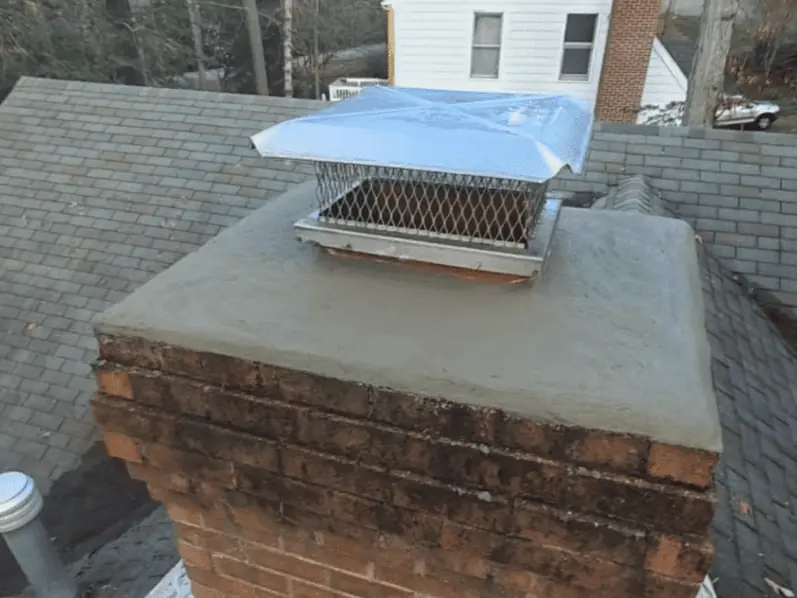
Burlington chimney masonry endures arguably the most extreme conditions in New England. Lake Champlain generates persistent lake-effect moisture and snow squalls that keep masonry saturated from fall through spring. Winter temperatures routinely drop below zero — arctic outbreaks can push to -20°F or colder. Over 80-100 freeze-thaw cycles drive ice deeper into saturated masonry with each cycle. Annual snowfall averages 70+ inches, loading chimney crowns for five to six continuous months. And Vermont's clay-heavy soil is subject to frost heave during deep freezes, stressing chimney foundations. Our masonry crew uses arctic-rated mortar formulations, builds reinforced crowns designed for extreme Vermont snow loads, and applies breathable waterproofing that reduces the moisture available to freeze inside Lake Champlain-saturated masonry.
Annual Chimney Service: Survival in the Green Mountains
Vermont's climate makes annual chimney maintenance a survival skill, not a suggestion. A six-to-seven month heating season (October through April, often May) accumulates heavy creosote — especially in the wood stove systems that heat most Vermont homes. Lake Champlain moisture saturates masonry relentlessly. Over 80 freeze-thaw cycles crack brick and stone. Heavy snowfall loads chimney tops for half the year. And Vermont's wood-heating culture produces creosote formation rates among the highest in the nation. Annual professional inspection is how Green Mountain homeowners protect their primary heat source.
Creosote in Burlington: Extreme Cold, Wood Heat Culture
Burlington's combination of extreme cold and wood-heat culture creates some of the most aggressive creosote conditions in the country. Sub-zero temperatures keep chimney walls frozen, creating maximum condensation when warm flue gases rise. Lake Champlain humidity adds moisture to combustion gases. Wood stoves — Vermont's primary heating method — produce more creosote than open fireplaces because of lower flue temperatures. Many Vermont households burn 5-8 cords per season through seven months of winter. At that usage rate, exceeding the NFPA's 1/8-inch hazard threshold can happen in as little as 6-8 weeks. Annual sweeping is the absolute minimum. Heavy users should strongly consider mid-winter cleaning — many Vermont wood-burners need it.
Lake Moisture, Snow, and CO: Vermont's Triple Chimney Threat
Lake Champlain drives moisture damage, snow drives structural stress, and CO threatens occupant safety simultaneously in Burlington. Lake-effect moisture saturates masonry for months. Over 80 freeze-thaw cycles crack waterlogged brick. 70+ inches of snow loads chimney tops with crushing weight. Ice damming drives water into building structures. And carbon monoxide from wood stoves, oil furnaces, and gas appliances requires vigilant flue integrity. In tightly sealed Vermont homes designed to keep out -20°F cold, even small CO leaks can accumulate to dangerous levels. Our inspections evaluate all conditions.