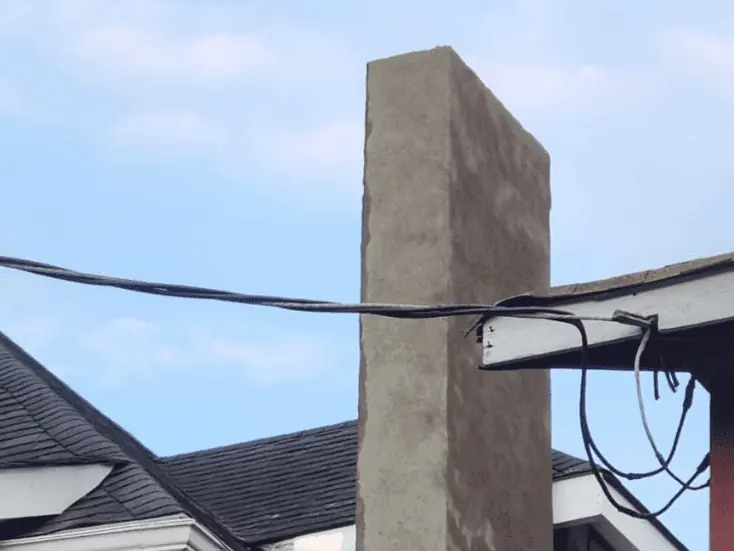
Charlotte has grown from a Carolina crossroads into the South's financial capital, and its neighborhoods reflect every era of that growth. The Craftsman bungalows and Tudor cottages of Dilworth and Plaza Midwood — Charlotte's original streetcar suburbs. The grand brick colonials and stone estates of Myers Park and Eastover. The mid-century ranches of Cotswold and Beverly Woods. The massive new construction developments spreading through Ballantyne, Huntersville, and Lake Norman. Each neighborhood brings distinct chimney challenges shaped by construction era, materials, and exposure to Carolina's humid subtropical climate. Since 2004, Shamrock Chimney has served all of Charlotte with CSIA certified expertise that adapts to each home's specific needs.
Honest Chimney Care for the Queen City
Charlotte is a city that values professionalism, and our veteran-founded company delivers it. When we arrive at your Charlotte home, our uniformed crew protects your interior, communicates findings clearly, and provides documentation with camera footage and photos. We don't pressure, don't oversell, and don't recommend work that isn't necessary. Charlotte homeowners who've dealt with companies that manufacture urgency or inflate estimates appreciate our approach: inspect thoroughly, report honestly, price fairly. If your chimney is in good shape, we tell you — and you trust us more when we do find something that needs attention.
Every Charlotte Chimney Type — One Expert Call
Charlotte's explosive growth means we service chimneys spanning 120+ years of construction in a single day. Masonry chimneys on pre-war bungalows. Brick and stone configurations on mid-century colonials. Factory-built metal flue systems in the massive volume of new construction built since the 1990s. Gas fireplace inserts — extremely popular in Charlotte's newer homes. Wood stove installations. And the occasional oil furnace flue on properties that haven't converted. Factory-built chimneys in Charlotte's newer homes have different maintenance needs than traditional masonry — including manufacturer-specific parts and clearance requirements that generic services often overlook.
Charlotte's Most-Requested Service: Sweep & Inspection
Most Charlotte homeowners start with our combined sweep and inspection — one visit, flat pricing, complete coverage. We clean your flue using professional rotary equipment with HEPA-filtered vacuums, then inspect every component: firebox, damper, smoke chamber, liner, crown, cap, and flashing. Camera footage documents the interior. You get a written report with photos and an honest assessment. For Charlotte's active real estate market, we also provide Level 2 inspections required by many lenders — often with 48-72 hour turnaround during peak season.
Charlotte Masonry: Fighting Red Clay and Piedmont Humidity
Charlotte sits on the Carolina Piedmont's notorious red clay — an expansive soil that swells dramatically when wet and shrinks when dry. This seasonal soil movement puts constant lateral pressure on chimney foundations, causing settling, tilting, and cracking that homeowners in areas with stable soil never experience. Add Piedmont humidity that keeps masonry perpetually damp, summer thunderstorms that deliver intense rainfall, and enough winter freeze-thaw cycles (30-40 per year) to exploit every moisture-weakened joint, and Charlotte chimneys face a relentless combination of forces. Our masonry crew addresses both the symptoms and the underlying causes — repairing visible damage while evaluating drainage and soil conditions that contribute to ongoing problems.
Why Annual Chimney Service Matters in Charlotte
Charlotte's humid subtropical climate works on chimneys year-round. Summer humidity promotes condensation inside dormant flues, accelerating corrosion and mold growth. Fall brings animal nesting — Charlotte's abundant squirrel and bird populations actively seek chimney flues. Winter delivers enough freeze-thaw cycles to crack moisture-saturated masonry. Spring thunderstorm season tests every crown, cap, and flashing seal with intense rainfall. And the red clay soil underneath moves with every wet-dry cycle, stressing chimney foundations continuously. Annual professional inspection catches the cumulative effect before it compounds.
Creosote in Charlotte: Mild Winters, Real Risk
Charlotte's mild winters create a deceptive creosote situation. Many homeowners assume their moderate three-to-four month heating season doesn't produce enough creosote to worry about. The reality: casual, low-temperature fires — the kind most Charlotte homeowners enjoy — produce more creosote per fire than hot burns because cooler flue gas temperatures create more condensation. Carolina's humidity adds moisture to combustion gases, making the resulting creosote stickier and more adherent. Over a season of regular evening fires, Charlotte fireplaces can accumulate enough creosote to reach the NFPA's 1/8-inch hazard threshold. Annual sweeping is your best insurance against a chimney fire.
Water and CO: Charlotte's Hidden Chimney Threats
Water is Charlotte's primary chimney enemy. The Piedmont receives 43+ inches of rainfall annually, much of it in intense summer thunderstorms. Humidity keeps masonry saturated for months. And the red clay soil's expansion and contraction opens gaps in chimney foundations that admit groundwater. Inside the chimney, water rusts dampers, erodes mortar, promotes mold, and through freeze-thaw action, cracks masonry from within. Carbon monoxide from gas appliances — extremely common in Charlotte's newer homes — is the most immediately lethal threat. Any chimney venting combustion gases must maintain an intact, unobstructed pathway.