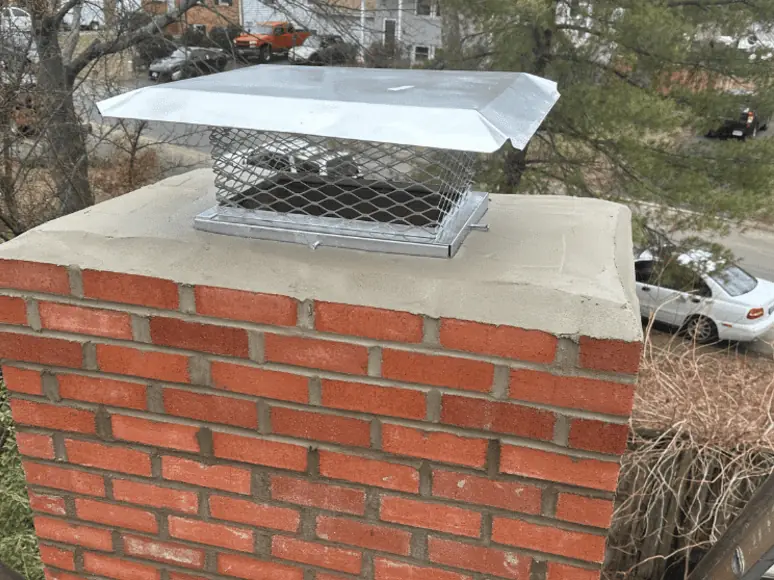
Chicago is a city defined by brick — more than any other American city, the Windy City rebuilt itself in masonry after the Great Fire of 1871, and its chimneys reflect 150 years of that tradition. The iconic Chicago bungalows of Portage Park and Jefferson Park. The limestone greystone two-flats and three-flats of Lincoln Park, Wicker Park, and Pilsen. The ornamental brick rowhouses of Old Town and Lincoln Square. The stately homes of Beverly, Hyde Park, and Kenilworth along the lakefront. The mid-century ranches and colonials of Schaumburg, Naperville, and Oak Park. Since 2004, Shamrock Chimney has served all of Chicagoland with CSIA certified expertise built for the unique challenges of Lake Michigan's climate and Chicago's extraordinary brick heritage.
Straight Talk for Chicagoland Homeowners
Chicago doesn't have time for games — and neither do we. Our veteran-founded company shows up when scheduled, does thorough work, reports findings honestly, and charges what we quoted. When our technician inspects your chimney, you see camera footage from inside the flue, get a written report with photos, and receive a straight answer about what needs attention. No scare tactics. No padded estimates. If your Chicago chimney is sound, we say so. If it needs work, we explain what and why, provide a fixed price, and let you decide. That's how we've earned referrals across Chicagoland for twenty years.
Every Chicago Chimney Type — Lakefront to Suburbs
Chicagoland's housing stock encompasses nearly every chimney type that exists. Multi-flue configurations in two-flats and three-flats — Chicago's signature residential buildings. Limestone greystone chimneys requiring specialized masonry knowledge. Classic Chicago bungalow chimneys (over 80,000 were built between 1910-1940). Factory-built systems in newer suburban construction. Wood stove installations. Gas fireplace inserts. Oil furnace flues. And the massive ornamental chimneys on historic mansions along the lakefront. We service all of them because Chicagoland demands a team that can handle the full range.
Chicago's Most Popular Service: Complete Sweep & Inspection
Most Chicago homeowners start with our combined sweep and inspection — one visit, flat pricing, complete coverage. We clean your flue using professional rotary equipment with HEPA-filtered vacuums, then inspect every component: firebox, damper, smoke chamber, liner, crown, cap, and flashing. Camera footage documents the interior. For Chicago's two-flats and multi-unit buildings, we service all flues in one visit and provide per-unit documentation. For Chicagoland real estate transactions, Level 2 inspections satisfy lender requirements with fast turnaround.
Chicago Masonry: Defending Brick Against Lake Michigan
Chicago's chimney masonry faces arguably the toughest urban climate in America. Lake Michigan's wind-driven moisture saturates brick on the windward side. Winter temperatures regularly drop below zero with wind chills reaching -30°F or colder. The city experiences 80-100+ freeze-thaw cycles per winter. Heavy lake-effect snow loads stress crowns and caps for months. Road salt — Chicago uses more than almost any major city — attacks chimney bases through splash and spray. And Chicago's clay soil contributes to foundation settling that stresses the city's tall, heavy masonry chimneys. Our masonry crew uses cold-climate mortar formulations, builds crowns rated for Chicago snow loads, and applies breathable waterproofing that slows the relentless lakefront assault. For greystones, we use limestone-compatible mortars and repair techniques specific to this distinctly Chicago building material.
Annual Chimney Service: Non-Negotiable in Chicago
Chicago's climate makes annual chimney maintenance non-negotiable. The heating season runs from October through April — sometimes May. Lake Michigan moisture saturates masonry year-round. Over 80 freeze-thaw cycles per winter crack every weakened joint and porous brick face. Wind-driven snow and ice penetrate chimney structures at angles rain never reaches. Animal nesting blocks flues in fall. And Chicago's extreme winter temperatures create aggressive creosote formation in wood-burning flues. Skipping a year of inspection in Chicago means two years of damage accumulate undetected — and in this climate, that's significant.
Creosote in Chicago: Arctic Cold Means Aggressive Buildup
Chicago's extreme winter cold creates some of the most aggressive creosote formation conditions in the country. When flue gas temperatures of 300-500°F meet chimney walls chilled to well below zero by Lake Michigan wind, the condensation is intense — and creosote deposits aggressively with every fire. Wind chill on exposed chimney stacks drops the wall temperature even further, amplifying the effect. Over a five-to-six month Chicago heating season, even moderate fireplace use can exceed the NFPA's 1/8-inch hazard threshold. For homeowners who burn wood regularly, the accumulation can be substantial. Annual sweeping is essential. For heavy users, a mid-winter check is prudent.
Water, Wind, and CO: Chicago's Triple Chimney Threat
Lake Michigan drives water into Chicago chimney masonry from every direction — rain from above, wind-driven moisture horizontally, humidity from below and within. Over 80 freeze-thaw cycles per winter crack mortar and brick. Wind loads unique to the lakefront stress tall chimney stacks. Road salt corrodes metal components and attacks masonry at ground level. And carbon monoxide from gas appliances — standard in most Chicago homes — is the most immediately lethal threat. Our inspections evaluate all of these simultaneously because Chicago chimneys face them all, every winter, without exception.