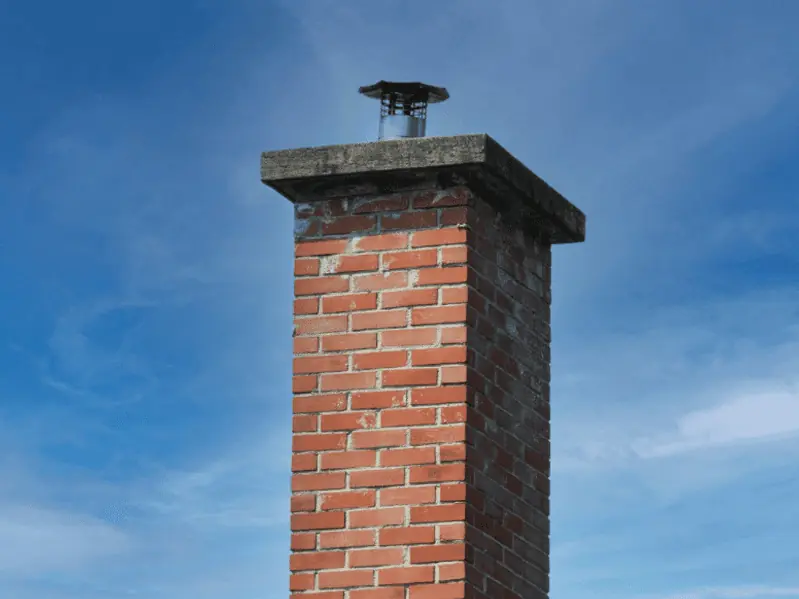
Lancaster County's chimney inventory spans three centuries — from colonial-era walk-in fireplaces to modern factory-built systems. The limestone rowhomes and Victorians of downtown Lancaster. The massive stone farmhouse chimneys of the Oley Valley, Ephrata, and the surrounding countryside — many still heated by wood in Amish and Mennonite communities. The established colonials of Manheim Township, Lititz, and East Hempfield. And newer construction in Warwick and East Lampeter. Lancaster's limestone geology means many older chimneys are built with porous stone that absorbs moisture readily. Since 2004, Shamrock has swept Lancaster County chimneys with the expertise this extraordinary architectural heritage demands.
Why Lancaster Homeowners Choose Shamrock for Chimney Sweeping
Lancaster County's chimney diversity is exceptional — from 18th-century walk-in fireplaces to modern gas inserts. Limestone chimneys require careful cleaning technique that doesn't stress porous stone mortar. Colonial-era flues have irregular dimensions that demand flexible brush systems. And the county's strong wood-heating culture produces heavier deposits than casual fireplace use. Our team understands Dutch Country chimneys. We match technique to construction, clean thoroughly, and respect the heritage of Lancaster's historic masonry.
The Complete Lancaster Chimney Sweep Process
Every Lancaster County sweep follows our systematic protocol. Drop cloths and HEPA containment protect your home. We inspect the firebox and damper, then clean the full flue with rotary brushes selected for your specific chimney type — modern clay-lined masonry, original stone farmhouse flues, or factory-built metal systems. Colonial walk-in fireplaces receive specialized cleaning appropriate to their massive dimensions. Post-sweep inspection evaluates for limestone-specific moisture damage, freeze-thaw stress, and wood-heat-related conditions. Camera footage and written report document everything.
Lancaster's Most Requested: Annual Sweep & Inspection
The combined sweep and inspection is Lancaster County's most popular service. One visit, flat price, complete maintenance. We remove creosote while evaluating every component — particularly important for the county's stone chimneys where internal deterioration isn't visible from outside. For Lancaster's real estate market, this service provides professional documentation for buyers and lenders.
When Your Lancaster Chimney Sweep Reveals Stone Issues
Sweeping reveals interior conditions critical for Lancaster County's stone chimneys. Common findings include: eroded lime mortar joints inside stone flues, limestone spalling from moisture absorption and freeze-thaw, cracked clay liners in more modern construction, and the heavy creosote deposits that the county's wood-burning culture produces. We document findings with camera footage and provide stone-specific repair recommendations using compatible lime-based materials.
Why Annual Chimney Sweeping Matters in Lancaster
Lancaster County's wood-heating tradition makes annual sweeping essential. The county's many wood stove users accumulate creosote faster than gas-only homes. Five months of heating season produce meaningful deposits even for occasional users. Limestone masonry absorbs moisture that promotes interior damage. And annual sweeping provides the professional monitoring that Lancaster County's aging stone chimneys need to identify developing problems early.
Creosote in Lancaster: Wood Heat Heritage
Lancaster County's strong wood-heating culture creates creosote conditions beyond what casual fireplace use produces. Wood stoves — the primary heat source for many county households — generate more creosote than open fireplaces due to lower flue temperatures. Extended daily burning through five-month winters accumulates heavy deposits. And Pennsylvania's cold keeps chimney walls cool, maximizing condensation. Annual sweeping is essential for all Lancaster wood-burners.
Beyond Sweeping: Complete Lancaster Chimney Care
Chimney sweeping addresses fire risk, but Lancaster County's stone chimneys face moisture and structural challenges. Porous limestone absorbs water. Freeze-thaw spalls saturated stone. Lime mortar joints erode over centuries. Our sweep team identifies these conditions and provides guidance using stone-compatible, period-appropriate materials — preserving both safety and Lancaster's architectural heritage.