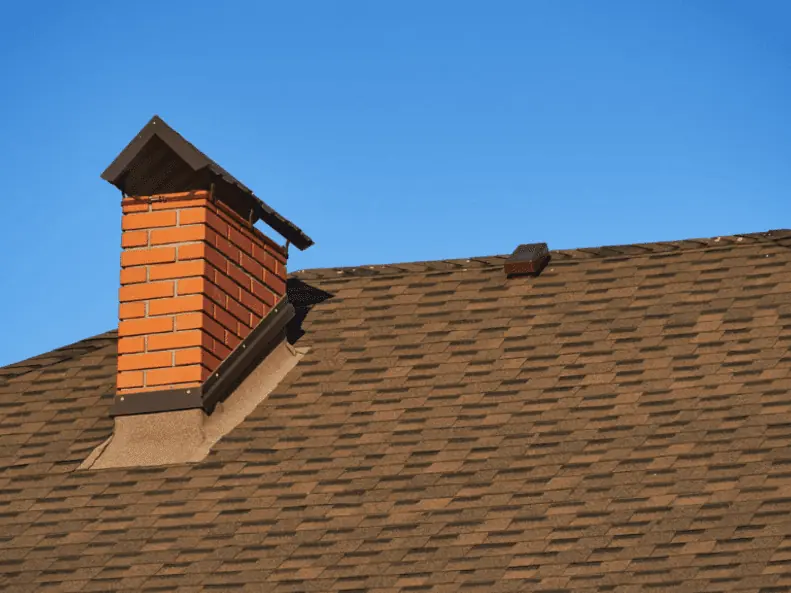
Lansing is Michigan's capital and the heart of Mid-Michigan — a community where state government, Michigan State University, and a strong residential base create a diverse housing stock. The brick Craftsman bungalows and colonials of Lansing's Eastside and Westside neighborhoods, built during the auto industry era. The established homes of East Lansing near MSU's campus. The mid-century ranches and split-levels of Holt, Mason, and DeWitt. The colonials and newer construction of Okemos, Haslett, and Grand Ledge. Each neighborhood brings distinct chimney systems shaped by construction era and materials — all facing Mid-Michigan's demanding Great Lakes climate. Since 2004, Shamrock Chimney has served Greater Lansing with CSIA certified expertise built for Michigan's harsh conditions.
Honest Chimney Service for Mid-Michigan
Lansing is a practical, hardworking community that values honest dealing. Our veteran-founded company operates on those same principles. When our technician inspects your chimney, you get camera footage from inside the flue, a written report with photos, and a straightforward assessment of what needs attention — and what doesn't. No manufactured urgency. No inflated estimates. If your Lansing chimney is in good shape, we say so. When something does need repair, we explain the issue clearly, provide a written price, and let you decide. This approach has earned referrals across Greater Lansing for two decades.
Every Lansing Chimney Type — Michigan Expertise
Greater Lansing's housing ranges from pre-war brick construction to modern suburban development. We service traditional masonry chimneys on 1920s-1940s bungalows, mid-century brick chimneys on ranch homes, factory-built metal flue systems in newer construction throughout Okemos and DeWitt, wood stove installations common throughout rural Ingham County, gas fireplace inserts, and oil furnace flues. Wood stoves are particularly popular in Mid-Michigan — both as supplemental heat and as a hedge against harsh winters — and they produce more creosote than open fireplaces, requiring consistent maintenance.
Lansing's Go-To Service: Complete Sweep & Inspection
Most Lansing homeowners start with our combined sweep and inspection — one visit, flat pricing, everything covered. We clean your flue using professional rotary equipment with HEPA-filtered vacuums, then inspect every component: firebox, damper, smoke chamber, liner, crown, cap, and flashing. Camera footage documents the interior. You get a written report with photos and honest recommendations. For Greater Lansing real estate transactions, Level 2 inspections provide the documentation lenders require.
Lansing Masonry: Surviving Mid-Michigan Winters
Mid-Michigan delivers a punishing combination of conditions for chimney masonry. Lansing averages over 50 inches of snowfall per season, with individual storms capable of dumping a foot or more. Winter temperatures regularly drop below zero, and the region experiences 70-90 freeze-thaw cycles per winter. These cycles drive ice deeper into moisture-laden brick and mortar each time, progressively disassembling the masonry from within. Road salt splash attacks chimney bases throughout Lansing's heavily treated streets. And Michigan's clay soil contributes to foundation settling that stresses chimney structures. Our masonry crew uses cold-climate mortar formulations, builds reinforced crowns rated for Michigan snow loads, and evaluates structural integrity alongside surface repair needs.
Annual Chimney Service: Essential in Mid-Michigan
Lansing's six-month heating season (October through March, sometimes longer) creates year-round chimney maintenance demands. Winter accumulates creosote in wood-burning flues and subjects masonry to relentless freeze-thaw cycling. Spring snowmelt reveals the winter's damage. Summer humidity promotes mold inside dormant flues. Fall brings animal nesting — Mid-Michigan's active wildlife targets uncapped chimneys before winter. Annual professional inspection catches cumulative damage before it compounds into expensive emergency repairs.
Creosote in Lansing: Michigan Winters Demand Attention
Lansing's long, cold winters produce significant creosote accumulation for wood-burning homeowners. Sub-zero temperatures create extreme condensation inside the flue as warm combustion gases meet frozen chimney walls, depositing creosote aggressively with each fire. Mid-Michigan's humidity adds moisture to combustion gases, making deposits stickier. And wood stove users — common throughout Greater Lansing — face higher accumulation rates than open fireplace users because stoves operate at lower flue temperatures with longer flue runs, both of which promote condensation. Over a full Michigan winter of regular use, exceeding the NFPA's 1/8-inch hazard threshold is common. Annual sweeping is essential.
Water, Ice, and CO: Mid-Michigan's Chimney Threats
Water is Lansing's most expensive chimney threat over a home's lifetime. Mid-Michigan's precipitation, humidity, and 70-90 freeze-thaw cycles per winter combine to deteriorate masonry progressively. Ice damming at the chimney-roof junction drives water into building structures during heavy snowfall. Road salt corrodes metal components. And carbon monoxide from gas and oil appliances — common in Lansing homes — is the most immediately lethal threat. Our inspections evaluate all of these conditions because Mid-Michigan chimneys face them simultaneously.