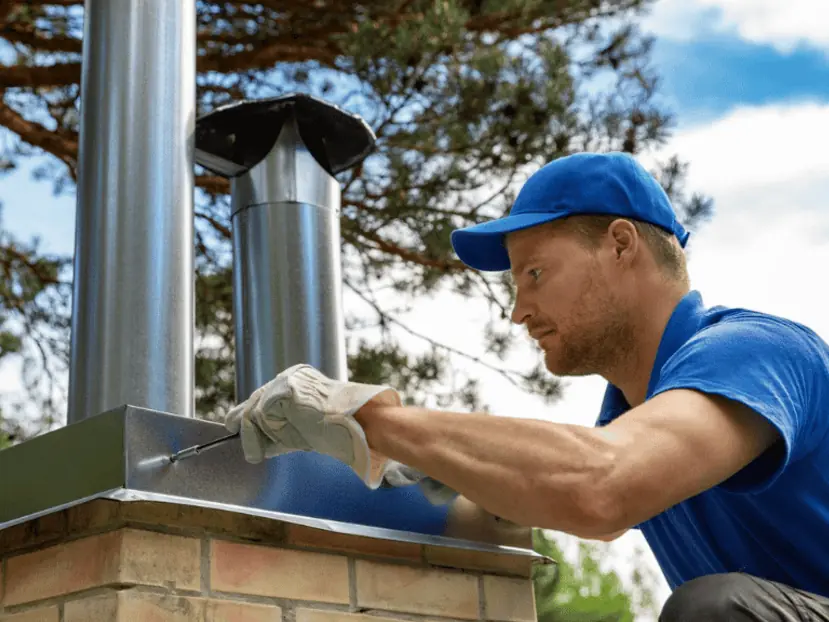
Minneapolis is a city of lakes, trees, and brick — and its chimneys endure the most extreme climate of any major metro in the lower 48. The charming Craftsman bungalows and Foursquares of South Minneapolis's Longfellow and Nokomis neighborhoods. The Tudor homes and brick colonials of Linden Hills, Lynnhurst, and Country Club. The stately mansions along the Chain of Lakes and Kenwood. The mid-century rambler homes of Bloomington, Edina, and Richfield. The newer construction spreading through Plymouth, Maple Grove, and Woodbury. Each neighborhood faces chimney challenges defined by Minnesota's extraordinary climate — and since 2004, Shamrock Chimney has served the Twin Cities with CSIA certified expertise specifically built for the most demanding winter conditions in America.
Honest Chimney Service for the Twin Cities
Minnesota nice is real — and so is our commitment to honest dealing. Our veteran-founded company shows up when scheduled, does thorough work, reports findings honestly, and charges what we quoted. When our technician inspects your chimney, you see camera footage from inside the flue, get a written report with photos, and receive a straight answer about what needs attention. No scare tactics. No inflated quotes. If your Minneapolis chimney is sound, we say so. Twin Cities homeowners who value substance over salesmanship have trusted Shamrock for two decades.
Every Minneapolis Chimney Type — Arctic Tested
The Twin Cities metro encompasses a wide range of chimney systems, all facing Minnesota's extreme climate. Traditional masonry chimneys on pre-war bungalows and Tudors. Multi-flue configurations in converted Minneapolis duplexes. Factory-built metal flue systems in newer suburban construction. Wood stove installations — extremely popular throughout Minnesota as genuine supplemental heat. Gas fireplace inserts standard in newer homes. And the massive chimney systems on lakefront estates along the Chain of Lakes. We service them all because the Twin Cities demands a team that can handle the full range — in conditions no other major metro experiences.
Minneapolis's Most Popular Service: Sweep & Inspection
Most Minneapolis homeowners start with our combined sweep and inspection — one visit, flat pricing, complete coverage. We clean your flue using professional rotary equipment with HEPA-filtered vacuums, then inspect every component: firebox, damper, smoke chamber, liner, crown, cap, and flashing. Camera footage documents the interior. A written report with photos goes home with you. Minnesota's long heating season means most chimneys need sweeping annually — and heavy wood-burners may need it twice. For Twin Cities real estate transactions, Level 2 inspections satisfy lender requirements.
Minneapolis Masonry: Surviving the Harshest Freeze-Thaw in America
Minneapolis chimney masonry endures the most extreme freeze-thaw conditions of any major metro in the contiguous United States. Minnesota winters deliver 100-120+ freeze-thaw cycles — the national record for populated areas. Temperatures swing from -20°F to 30°F and back within days. Heavy snow loads (54+ inches average) stress chimney crowns for five to six months. Road salt attacks chimney bases through six months of treated streets. And Minnesota's clay-heavy soil contributes to frost heave and foundation movement that stresses chimney structures during deep freezes. Our masonry crew uses arctic-rated mortar formulations that cure and perform at extreme temperatures, builds crowns with reinforced edges and proper slope for maximum snow shedding, and applies breathable waterproofing that reduces the moisture available to freeze inside masonry.
Annual Chimney Service: Survival in Minnesota
In Minnesota, annual chimney maintenance isn't recommended — it's a survival strategy. The heating season runs from October through April, sometimes September through May — up to seven months of continuous use. Over 100 freeze-thaw cycles per winter punish masonry relentlessly. Heavy snowfall loads chimney tops for months. Ice damming is endemic in Minnesota's snow country. Animal nesting blocks flues every fall. And Minnesota's extreme cold creates the most aggressive creosote formation conditions in the country. Skipping annual inspection in the Twin Cities means accumulating damage from the harshest winter in America — undetected.
Creosote in Minneapolis: Extreme Cold, Extreme Buildup
Minneapolis's extreme winter cold creates the most aggressive creosote formation conditions in the lower 48. When flue gas temperatures of 300-500°F meet chimney walls chilled to -20°F or colder by Minnesota's arctic air, the condensation is intense — and creosote deposits aggressively with every fire. Wind chill on exposed chimney stacks (regularly reaching -40°F during polar vortex events) drops wall temperatures even further. Over a six-to-seven month Minnesota heating season, even moderate fireplace use produces dangerous accumulation. For homeowners using wood stoves as genuine supplemental heat — common throughout the Twin Cities — the buildup can be extreme. Annual sweeping is essential. For heavy users, mid-winter sweeping is strongly recommended.
Ice, Water, and CO: Minnesota's Triple Chimney Threat
Minnesota's winters drive three simultaneous chimney threats. Over 100 freeze-thaw cycles crack masonry from within as trapped water expands repeatedly. Ice damming at the chimney-roof junction — endemic in Minnesota's heavy snow environment — drives water into building structures. Heavy snow loads physically stress chimney tops. And carbon monoxide from gas appliances (standard in most Minneapolis homes) is the most immediately lethal risk — an invisible, odorless gas that can reach dangerous concentrations in tightly sealed Minnesota homes designed to keep out arctic cold. Our inspections evaluate all three threats systematically.