Scranton is the Electric City — the Lackawanna Valley's anchor, where anthracite coal prosperity created grand residential neighborhoods above extensive underground mine workings. The Victorians and craftsman homes of Green Ridge, Hill Section, and Dunmore. The established colonials of Clarks Summit, Dalton, and Moscow. The Lackawanna River generates valley humidity. Northeastern Pennsylvania delivers 55-65 freeze-thaw cycles. And the Electric City's coal legacy adds unique inspection concerns: coal-era chimney construction, residual deposits, and mine-subsidence risk. Since 2004, Shamrock has inspected Scranton chimneys with CSIA certification and the coal-country expertise the Electric City demands.
Why Scranton Homeowners Choose Shamrock for Chimney Inspection
Scranton's chimney inspection demands are shaped by the Lackawanna Valley's coal heritage. Many chimneys were built for coal combustion — with oversized flues, coal deposits, and era-specific materials. Mine subsidence beneath the Electric City can cause gradual chimney tilting invisible from inside. And Northeastern Pennsylvania's aggressive freeze-thaw compounds coal-era deterioration. Our inspectors evaluate coal-era conditions and subsidence effects alongside standard chimney assessment.
Complete Scranton Chimney Inspection Process
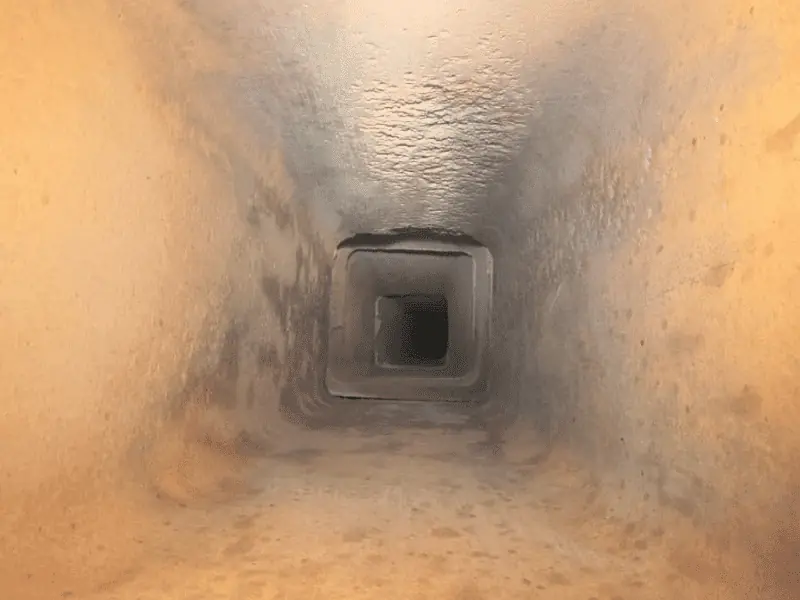
Every Scranton inspection evaluates standard conditions plus Electric City-specific concerns. We assess structural alignment for subsidence effects. Evaluate coal-era interior conditions via camera. Check mortar under aggressive freeze-thaw stress. Evaluate flue sizing against current heating equipment. You receive a detailed report with coal-era findings, subsidence assessment, and prioritized recommendations.
Scranton's Most Requested: Coal-Era Assessment
Coal-era chimney assessment is Scranton's most requested specialty inspection. The Electric City's anthracite heritage means most older chimneys need evaluation of coal deposits, flue sizing, construction integrity, and subsidence effects — conditions unique to coal country.
What We Look For in Scranton Chimneys
Scranton's coal heritage creates specific inspection focus points beyond standard assessment. We check chimney plumb for mine-subsidence settlement. Evaluate coal-era interior deposits. Assess flue sizing against current heating equipment. Check mortar under 55-65 freeze-thaw cycles. And evaluate coal-era construction integrity.
Why Annual Inspection Matters in Scranton
Mine subsidence is gradual and cumulative — annual inspection with plumb measurement tracks structural movement year-over-year. Coal-era deposits may be developing. And Northeastern Pennsylvania's aggressive freeze-thaw compounds all other deterioration. Regular inspection catches subsidence movement, coal-era issues, and freeze-thaw damage simultaneously.
Coal Country Hazards in Scranton Chimneys
Scranton chimneys conceal hazards specific to coal country. Mine subsidence creates gradual structural movement invisible from inside. Coal-era deposits line interior surfaces. Oversized coal-era flues may not match current heating equipment. And coal-era construction may have weaknesses that time and freeze-thaw reveal. Inspection identifies these coal-country-specific conditions.
Mine Subsidence: Scranton's Hidden Chimney Threat
Extensive anthracite mining beneath Scranton created subsidence risk that affects surface structures — including chimneys. Gradual ground settling causes tilting, separation from the building, and structural stress. Our inspection includes plumb measurement and subsidence-pattern assessment for Electric City properties.