Pittsburgh is the Steel City — built at the confluence of three rivers across dramatically hilly terrain that creates chimney inspection challenges found nowhere else in Pennsylvania. The hillside homes of Mount Washington, Troy Hill, and Polish Hill. The Victorians and colonials of Shadyside, Squirrel Hill, and Highland Park. The established communities of Mount Lebanon, Fox Chapel, and Sewickley. Three rivers generate persistent humidity. Pittsburgh's 90 neighborhoods span extreme elevation changes. And Western Pennsylvania's 50-60 annual freeze-thaw cycles compound hillside and moisture stress. Since 2004, Shamrock has inspected Pittsburgh chimneys with CSIA certification and the hillside-terrain expertise the Steel City demands.
Why Pittsburgh Homeowners Choose Shamrock for Chimney Inspection
Pittsburgh's dramatic topography creates inspection demands unique in Pennsylvania. Hillside chimneys may be settling, tilting, or separating from the building — conditions invisible from inside. Three rivers keep masonry perpetually humid. And many Steel City chimneys have coal-burning history with residual deposits and oversized flues. Our inspectors evaluate terrain-driven structural conditions alongside standard chimney assessment — a critical combination for Pittsburgh's unique housing stock.
Complete Pittsburgh Chimney Inspection Process
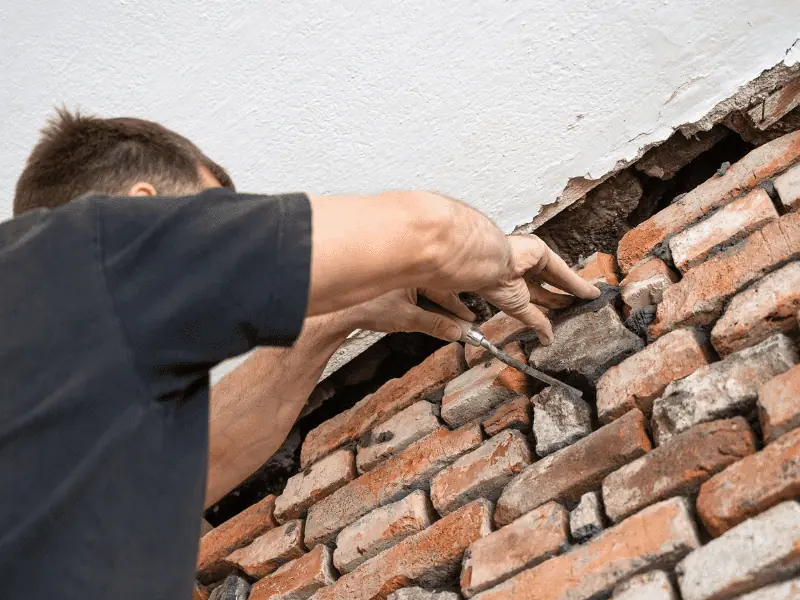
Every Pittsburgh inspection evaluates both standard conditions and Steel City-specific concerns. We assess structural alignment for hillside terrain effects. Evaluate mortar under Three Rivers humidity. Check for coal-era deposits and construction conditions. Camera inspection documents interior flue condition. You receive a detailed written report with photos, findings, terrain assessment, and prioritized recommendations.
Pittsburgh's Most Requested: Hillside Structural Assessment
Hillside chimney structural assessment is Pittsburgh's most requested specialty inspection. The Steel City's terrain creates gradual settlement and tilting that homeowners may not notice — our assessment identifies terrain-driven structural movement before it becomes dangerous.
What We Look For in Pittsburgh Chimneys
Pittsburgh's terrain and history create specific inspection focus points beyond standard assessment. We evaluate chimney plumb (vertical alignment) for hillside settlement. Check mortar condition under Three Rivers humidity. Assess coal-era interior conditions. Examine flue sizing against current heating equipment. And evaluate foundation stability on sloped terrain.
Why Annual Inspection Matters in Pittsburgh
Pittsburgh's hillside terrain creates gradual chimney movement that's imperceptible year-to-year but cumulative over time. Annual inspection with plumb measurement tracks structural movement. Three Rivers humidity drives masonry deterioration behind walls. And coal-era residues may pose health concerns. Regular inspection catches all three.
Hidden Hazards in Steel City Chimneys
Pittsburgh chimneys conceal hazards specific to the Steel City. Hillside terrain movement creates structural stress invisible from inside. Coal-era deposits line interior surfaces. Three Rivers humidity drives deterioration in concealed spaces. And chimney-to-building separation on hillside properties develops gradually. Inspection reveals conditions unique to Pittsburgh.
Coal-Era Chimney Concerns
Many Pittsburgh chimneys were built for coal combustion — creating conditions specific to the Steel City. Coal deposits may line interior surfaces. Oversized flues designed for coal may not match current heating equipment. And coal-era materials have specific deterioration patterns. Our inspection evaluates coal-era conditions alongside standard assessment.