Freestanding Gas Stoves
Classic cast iron and soapstone aesthetics with push-button gas convenience — install in any room, enjoy instant heat and realistic flames without wood, ash, or chimney sweeping
What's Included
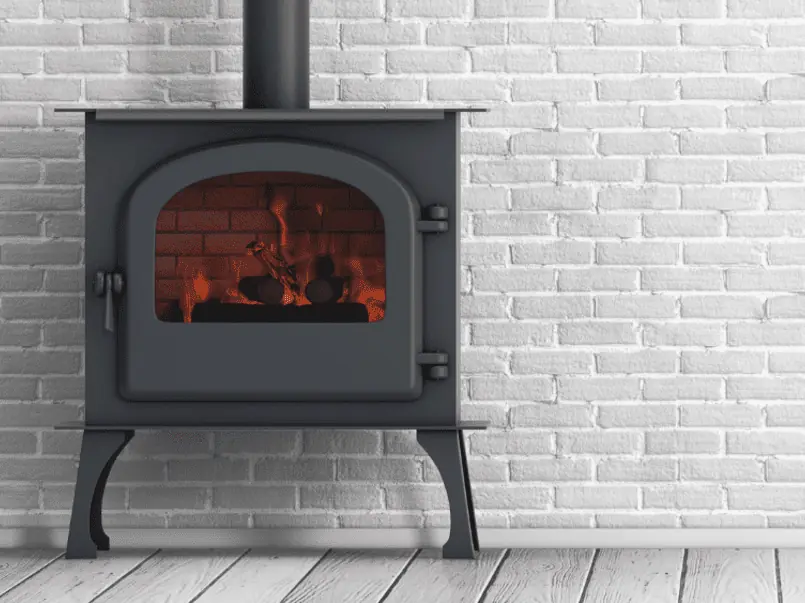
A freestanding gas stove combines the timeless charm of a traditional wood stove with the effortless convenience of gas fuel. These standalone appliances don't require an existing fireplace — they can be installed in any room with an exterior wall for venting access and a gas line. Direct-vent models use sealed combustion for maximum efficiency and safety, drawing outside air and exhausting through a coaxial pipe. Available in traditional cast iron with enamel finishes, contemporary steel designs, and natural soapstone, freestanding gas stoves serve as both powerful zone heaters (20,000-50,000+ BTUs) and stunning room focal points. Shamrock Chimney handles complete installation including gas line connection, direct-vent or B-vent pipe routing, clearance verification, and all safety testing.
Freestanding Gas Stoves: A Stunning Focal Point That Actually Heats Your Home
A freestanding gas stove occupies a unique position in the hearth products world — it’s simultaneously a powerful, efficient heating appliance and a beautiful piece of room furniture. Unlike fireplace inserts that disappear into an existing firebox, a freestanding stove sits proudly in your living space as a visual centerpiece. And unlike gas logs that are primarily decorative, a freestanding gas stove delivers 20,000-50,000+ BTUs of real, usable heat — enough to warm an entire floor of your home.
Best of all, freestanding gas stoves don’t require an existing fireplace. They can be installed in any room with access to an exterior wall (for venting) and a gas line — making them the ideal solution for adding both heat and ambiance to spaces that were never designed for a fireplace.
Direct Vent vs. Vent-Free: The Critical Choice
Freestanding gas stoves use one of two venting approaches, and the choice significantly affects performance, safety, and installation flexibility:
Direct-Vent Gas Stoves (Our Recommendation)
Direct-vent stoves use a sealed combustion system with a coaxial vent pipe — an inner pipe that exhausts combustion gases and an outer pipe that draws fresh combustion air from outside. This sealed design means:
- Zero indoor air quality impact: The stove never uses your home’s air for combustion and never introduces combustion byproducts into your living space
- Maximum efficiency: 70-85% of the fuel’s energy becomes usable heat in your room
- Flexible placement: Vent horizontally through a wall or vertically through the roof — no traditional chimney needed
- Safest option: Sealed combustion eliminates the possibility of combustion gas spillage into your home
Direct-vent is the gold standard. Unless there’s a specific reason you can’t vent (extremely rare), this is the technology we recommend.
Vent-Free Gas Stoves
Vent-free stoves require no venting at all — offering maximum placement flexibility. However, they burn room air for combustion and release all combustion byproducts (including water vapor and trace CO) into your living space. Room size minimums apply, and vent-free gas stoves are restricted or prohibited in some states and municipalities. An oxygen depletion sensor (ODS) provides automatic shutoff if oxygen levels drop. We install vent-free models where permitted but generally recommend direct-vent for most homeowners.
Construction Materials: Finding Your Style
The material and finish of your gas stove affects both its appearance and how it delivers heat:
Cast Iron (Jøtul, Vermont Castings)
Cast iron is the classic stove material — the same dense, durable metal used in wood stoves for centuries. Cast iron gas stoves heat slowly, radiate heat steadily, and retain warmth after the flame is turned off. They’re available in raw black cast iron for a traditional look, or in porcelain enamel finishes in dozens of colors — from classic matte black and brown to bold reds, blues, greens, and ivory. Enamel-finished cast iron stoves are heirloom-quality pieces that last generations while looking stunning in any décor.
Soapstone (Hearthstone)
Soapstone is a naturally occurring metamorphic stone with remarkable thermal properties. It absorbs enormous amounts of heat energy during operation and continues radiating that stored heat for 8-12 hours after the fire is turned off. This means your soapstone stove keeps warming your room long after you’ve gone to bed — providing the most even, comfortable heat delivery of any stove material. Each soapstone panel has unique natural veining, making every stove literally one-of-a-kind. Hearthstone, based in Vermont, is the premier soapstone gas stove manufacturer.
Steel (Contemporary Designs)
Steel stoves heat up quickly and respond rapidly to temperature adjustments. They’re typically the most affordable option and come in sleek, contemporary designs with clean lines and large glass viewing areas. Steel stoves cool down faster than cast iron or soapstone after the flame is off, making them ideal for spaces where you want responsive, on-demand heat rather than prolonged radiant warmth.
Design Styles: Traditional to Contemporary
Freestanding gas stoves span the full aesthetic spectrum:
- Traditional: Ornate cast iron with scrollwork, nickel or chrome accents, and classic proportions. Models like the Jøtul GF 500 DV and Vermont Castings Stardance evoke 19th-century stove heritage.
- Transitional: Clean-lined cast iron or soapstone that bridges traditional and modern. The Hearthstone Champlain and Jøtul GF 370 DV fit comfortably in both traditional and updated interiors.
- Contemporary: Minimalist steel and glass with large viewing windows and geometric shapes. Models like the Lopi Cypress focus on maximum flame visibility and modern aesthetics.
- Rustic/Lodge: Heavy cast iron with bold proportions and substantial presence. Perfect for mountain homes, cabins, and rooms with timber-frame or log construction.
Heating Performance and Zone Heating Strategy
Freestanding gas stoves are exceptional zone heaters. The concept is simple: heat the room or floor you’re using while lowering your central thermostat. A 35,000 BTU gas stove can comfortably heat 1,200-1,800 square feet in a well-insulated home. When you use the stove to keep your living area at 72°F while setting your furnace thermostat to 62°F, the savings on your central heating bill often exceed the stove’s gas consumption — resulting in net heating cost reduction of 20-40%.
Operating costs are modest: at current natural gas prices, a 35,000 BTU stove costs approximately $0.60-$1.00 per hour to operate. Propane models cost somewhat more. Many homeowners run their gas stove as the primary heat source for the main living area during evening hours, relying on the central system only for overnight and unoccupied-room heating.
Multi-Sided Glass: The Visual Advantage
One of the biggest advantages of a freestanding gas stove over a fireplace insert is visibility. Many models feature glass panels on three or even four sides, allowing you to enjoy the fire from every angle in the room. Corner installations, room-divider placements, and center-of-room positions all become possible — creating a dramatic focal point visible from multiple seating areas, adjacent rooms, and even hallways.
Installation: What’s Involved
Freestanding gas stove installation requires careful planning and professional execution. Our complete installation includes:
- Site assessment: We evaluate your intended location for gas line access, exterior wall proximity (for venting), required clearances to combustible materials, and floor protection needs. We provide a detailed installation plan before any work begins.
- Gas line: We size and install the gas supply line from your existing gas system to the stove location. This may involve running a new gas line through walls, floors, or crawl spaces. All gas work is performed to code with proper shutoff valves.
- Venting: For direct-vent models, we route the coaxial vent pipe through the exterior wall (horizontal venting) or through the ceiling and roof (vertical venting). Proper termination clearances from windows, doors, and adjacent walls are verified per manufacturer specifications and local code.
- Floor protection: Non-combustible hearth pad or floor protection installed per manufacturer-specified clearances. Options include natural stone, tile, or UL Listed hearth pads.
- Clearances: We verify and maintain all required clearances to combustible materials — walls, furniture, curtains, and overhead surfaces. Clearance requirements vary by model and are strictly enforced.
- Connection and testing: Gas connection, vent sealing, and comprehensive safety testing including gas leak detection, draft verification (for B-vent), and complete operational checkout.
- Homeowner training: Thorough walkthrough of operation, remote control programming, thermostat setup, and maintenance schedule.
- Warranty registration: We register your stove warranty with the manufacturer, ensuring your coverage is active from day one.
Jøtul: A Heritage of Excellence
Jøtul deserves special mention as the world’s oldest stove manufacturer — producing cast iron stoves in Fredrikstad, Norway since 1853. Their gas stoves embody Scandinavian design philosophy: beautiful forms that serve practical functions. The Jøtul GF 370 DV is one of the most popular freestanding gas stoves in North America, combining classic proportions with modern direct-vent technology and precision gas valve control. If a cast iron gas stove is on your shortlist, Jøtul sets the standard the rest of the industry chases.
Hearthstone: The Soapstone Specialists
Hearthstone, based in Morrisville, Vermont, is the only major manufacturer specializing in soapstone gas stoves. Their stoves are hand-assembled with individually selected stone panels, creating appliances that are genuinely unique. Beyond aesthetics, soapstone’s thermal mass provides the most comfortable, even heat delivery available — absorbing heat during operation and radiating it steadily for hours after the flame is off. For homeowners who value both beauty and thermal performance, Hearthstone is unmatched.
Maintenance: Simple and Minimal
Gas stoves require less maintenance than any other hearth appliance:
- Annual professional service: Gas connection inspection, burner cleaning, pilot assembly maintenance, glass cleaning, gasket inspection, and operational verification. Typically $175-$300.
- Monthly: Wipe down exterior surfaces and clean glass as needed with gas fireplace glass cleaner.
- Pre-season: Dust interior components before first use of the season. Spiders and insects often build webs in pilot assemblies during warm months.
Annual professional service is essential for safe operation and manufacturer warranty compliance. Our service technicians follow manufacturer-specific protocols for each brand we sell.
Gas Stove vs. Gas Insert: Which Is Right for You?
If you have an existing masonry fireplace, both a gas insert and a freestanding gas stove are options. The key differences:
- Appearance: An insert sits inside your firebox, maintaining the built-in fireplace look. A freestanding stove sits in front of or away from the fireplace as a standalone piece of furniture.
- Flexibility: An insert is tied to your fireplace location. A freestanding stove can go anywhere with wall access.
- Visibility: Inserts offer front-facing flame viewing. Freestanding stoves offer multi-sided glass viewing.
- Aesthetic impact: A freestanding stove creates a more dramatic visual focal point. An insert provides a cleaner, more built-in look.
If you don’t have an existing fireplace, a freestanding gas stove is the clear choice — it gives you the fire experience without any fireplace infrastructure.
Brands We Carry
Jøtul — Norwegian craftsmanship since 1853 with clean-burn technology and iconic Scandinavian cast iron designs
Hearthstone — Vermont-made soapstone stoves that absorb heat and radiate it gently for hours after the flame is off
Lopi — American-built in Washington state with precision gas valve technology and outstanding flame presentation
Vermont Castings — Classic American cast iron with enamel finishes in 12+ colors to match any décor
Quadra-Fire — Advanced electronic controls with programmable thermostat and smart home integration
Need Installation or Service?
Our CSIA certified technicians handle professional installation and ongoing maintenance.
Why Buy From Shamrock Chimney?
More than just sales – complete solutions from experts
CSIA Certified
Our technicians are certified by the Chimney Safety Institute of America.
Professional Installation
We don't just sell – we install, inspect, and ensure everything is code compliant.
Warranty Support
Full manufacturer warranties honored, plus our workmanship guarantee.
Ready to Get Started?
Call us for a free consultation and quote on Freestanding Gas Stoves.
(888) 737-0903