Wood Stoves
Freestanding EPA-certified wood stoves that heat 1,000-3,000 square feet — install in any room, burn 90% cleaner than older models, and provide energy-independent heat during power outages
What's Included
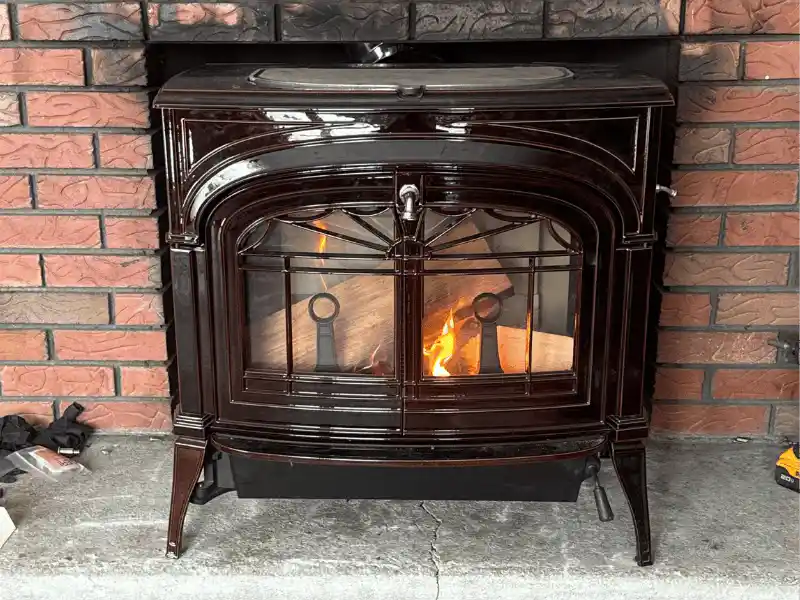
A freestanding wood stove is the most versatile wood heating solution available — it doesn't require an existing fireplace and can be installed in virtually any room with proper clearances and chimney access. Modern EPA-certified stoves burn up to 90% cleaner than pre-2020 models, using catalytic, non-catalytic, or hybrid combustion technology to extract maximum heat from every log. With 360-degree heat radiation, extended 8-12 hour burn times, and complete independence from the electrical grid, a wood stove provides reliable warmth regardless of weather, power outages, or utility costs. Shamrock Chimney handles complete installations including Class A chimney systems, hearth pads, clearance verification, and all permits.
Freestanding Wood Stoves: Heat Any Room in Your Home Without an Existing Fireplace
Unlike fireplace inserts that require an existing masonry fireplace, freestanding wood stoves can be installed in virtually any room — living rooms, basements, workshops, cabins, additions, and any space where you want powerful, independent heat. They connect to a Class A insulated chimney system that can be routed through the ceiling and roof or through an exterior wall and up the side of your home. This flexibility makes wood stoves the go-to solution for homeowners who want wood heat but don’t have an existing fireplace.
Modern Wood Stove Technology: Not Your Grandfather’s Stove
If your image of a wood stove involves a smoky cast iron box that sends most of its heat up the chimney, you’re thinking of technology that’s been obsolete for decades. The EPA’s 2020 emission standards require wood stoves to produce no more than 2.0 grams of particulate per hour — a 90% reduction from pre-regulation stoves. Manufacturers achieve this through three combustion approaches:
- Catalytic combustion: Smoke passes through a coated ceramic honeycomb that ignites particulates at lower temperatures (500°F vs. 1,100°F). Catalytic stoves excel at low, slow burns — maintaining high efficiency even when dampered down for overnight heating. The catalyst requires inspection and eventual replacement (every 5-10 years depending on use).
- Non-catalytic combustion: Preheated secondary air is injected above the fire through a system of tubes, igniting smoke particles in a dramatic secondary burn. Non-catalytic stoves are simpler to operate — no catalyst to maintain — and produce impressive visible flame displays.
- Hybrid combustion: Combines both technologies for maximum efficiency across all burn rates. The catalytic element handles low-output overnight burns while secondary combustion kicks in during high-output daytime use.
Heat Output and Capacity
Wood stoves are rated by BTU output and recommended heating area. Here’s what to expect from different size categories:
- Small stoves (1.0-1.5 cu ft firebox): 25,000-40,000 BTUs, heating 800-1,500 sq ft — ideal for single rooms, small homes, and supplemental heating
- Medium stoves (1.5-2.5 cu ft firebox): 40,000-60,000 BTUs, heating 1,200-2,200 sq ft — the most popular size for primary whole-house heating
- Large stoves (2.5-3.5 cu ft firebox): 60,000-80,000+ BTUs, heating 2,000-3,000+ sq ft — designed for large homes, open floor plans, and extreme cold climates
Our technicians assess your specific heating requirements — home size, insulation quality, layout, climate zone, and whether the stove will be primary or supplemental heat — to recommend the right size. An oversized stove forces you to run dampered down constantly, producing excess creosote. An undersized stove can’t deliver adequate heat when you need it most.
Construction Materials: Cast Iron vs. Steel vs. Soapstone
The material your stove is built from affects how it delivers heat:
- Cast iron (Vermont Castings, Jøtul): Traditional material that heats slowly, radiates steadily, and retains heat well after the fire dies. Available in enamel finishes in dozens of colors. Cast iron stoves are heirloom-quality appliances that last generations.
- Steel (Englander, many Regency models): Heats up quickly and responds rapidly to air adjustments. Steel stoves deliver heat fastest but cool down faster after the fire dies. Most affordable option.
- Soapstone (Hearthstone): Natural stone panels absorb enormous amounts of heat energy and radiate it slowly and steadily for hours — even after the fire is completely out. Soapstone stoves provide the most even, comfortable heat delivery. Each stone panel has unique natural veining.
Blaze King: The Burn Time Champion
Blaze King deserves special mention for homeowners who prioritize burn time above all else. Their thermostatically controlled catalytic stoves deliver verified burn times of 30-40 hours on a single load of seasoned hardwood. The built-in bimetallic thermostat automatically adjusts air intake to maintain your set temperature — no manual damper adjustment needed. For homeowners who want to load the stove once and have heat for a day and a half, Blaze King has no equal in the industry.
Class A Chimney Installation
Freestanding wood stoves require a Class A insulated chimney system — double or triple-wall stainless steel pipe designed to safely handle the high temperatures of wood combustion. Unlike masonry chimneys, Class A systems can be installed in new locations without existing chimney infrastructure. Installation options include:
- Interior vertical: Chimney pipe routes straight up through the ceiling, attic, and roof. Most efficient draft performance.
- Exterior wall penetration: Pipe exits through an exterior wall and runs up the outside of the house. Less efficient draft but avoids roof penetration.
- Offset configurations: Pipe can offset around obstacles using approved elbows. Maximum two offsets per installation.
Our complete installation includes all chimney components from stove collar to rain cap, fire stops at every ceiling/floor penetration, roof flashing, and storm collar. Every installation meets manufacturer specifications, local building code, and NFPA 211 clearance requirements.
Hearth Pad Requirements
All freestanding wood stoves require non-combustible floor protection extending beyond the stove in all directions per manufacturer-specified clearances. Options include:
- Natural stone (slate, granite, marble) — the most attractive option
- Tile on cement board — wide variety of styles and colors
- Pre-made UL Listed hearth pads — simplest and most affordable
We verify clearances and hearth pad specifications during assessment and can supply or recommend appropriate options.
Operating Costs and Energy Independence
Wood heating costs depend on your wood source. If you have access to your own woodlot, fuel cost is essentially zero beyond your labor. Purchasing seasoned hardwood typically costs $250-$400 per cord delivered. A typical home uses 3-5 cords per heating season when using an EPA-certified stove as primary heat — costing $750-$2,000 per season. Compare this to $2,000-$4,000+ per season for oil, propane, or electric heat in the Northeast and Midwest.
Beyond cost savings, wood stoves provide complete energy independence. During ice storms, nor’easters, and extended power outages that disable furnaces, heat pumps, and even gas systems with electric ignition — your wood stove keeps producing heat. No electricity required. This energy security is one of the primary reasons homeowners in our 21-state service area choose wood stoves.
What Our Complete Installation Includes
- Site assessment — clearance verification, chimney routing plan, hearth pad specifications
- All Class A chimney components — from stove collar through fire stops to rain cap
- Roof penetration with proper flashing, storm collar, and weather sealing
- Hearth pad verification or installation recommendations
- Complete assembly, connection, and draft testing
- Fire building and operation training
- Manufacturer warranty registration
- Permit pulling and inspection scheduling where required
Brands We Carry
Vermont Castings — Iconic cast iron craftsmanship with enamel finish options in 12+ colors
Jøtul — Norwegian engineering since 1853 with clean-burn technology and Scandinavian design
Hearthstone — Hand-assembled soapstone stoves that absorb and radiate heat for hours after the fire dies
Blaze King — Industry-leading burn times up to 40 hours on a single load with catalytic combustion
Englander — American-made value with EPA-certified performance at accessible price points
Need Installation or Service?
Our CSIA certified technicians handle professional installation and ongoing maintenance.
Why Buy From Shamrock Chimney?
More than just sales – complete solutions from experts
CSIA Certified
Our technicians are certified by the Chimney Safety Institute of America.
Professional Installation
We don't just sell – we install, inspect, and ensure everything is code compliant.
Warranty Support
Full manufacturer warranties honored, plus our workmanship guarantee.