How Often Should You Get Your Chimney Swept? A CSIA-Certified Guide
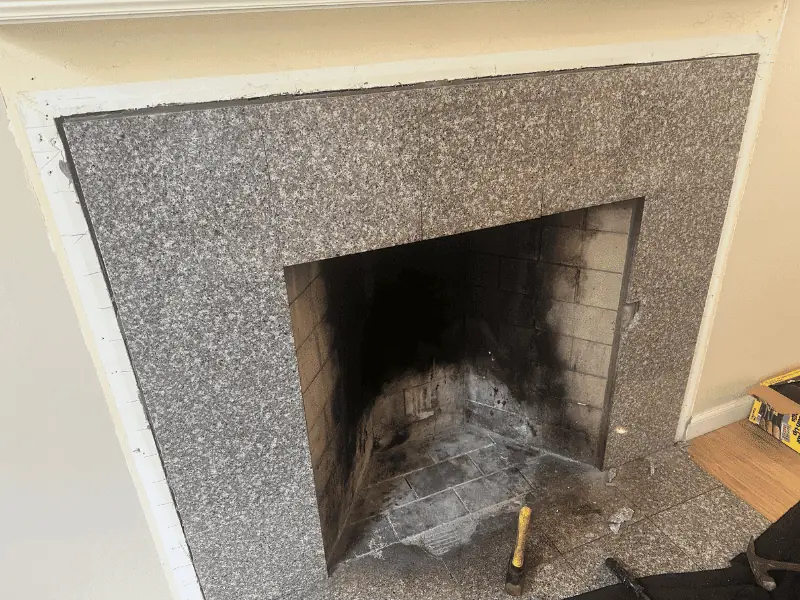
If you own a home with a fireplace or wood-burning stove, one of the most common questions you’ll face is: how often should I get my chimney swept? According to the National Fire Protection Association and the Chimney Safety Institute of America, every chimney should be inspected at least once per year and swept whenever necessary.
At Shamrock Chimney, our CSIA-certified technicians have performed over 50,000 chimney sweeps across 21 states since 2004. In this guide, we break down exactly what the standards say, how creosote accumulation works, and how to determine the right schedule for your specific fireplace system.
Why Annual Chimney Sweeping Matters
Chimney fires account for over 25,000 incidents annually in the U.S., causing more than $125 million in property damage. The vast majority are caused by creosote buildup — a combustible byproduct of burning wood. Annual chimney sweeping removes this creosote before it reaches dangerous levels.
A professional sweep also removes animal nests and debris that block airflow and create carbon monoxide hazards, soot deposits that reduce drafting efficiency, and moisture damage indicators that trained technicians can identify during the cleaning process.
The NFPA 211 Standard Explained
NFPA 211, the Standard for Chimneys, Fireplaces, Vents, and Solid Fuel-Burning Appliances, is the definitive reference for chimney safety. Section 14.2.1 states:
“Chimneys, fireplaces, and vents shall be inspected at least once a year for soundness, freedom from deposits, and correct clearances. Cleaning, maintenance, and repairs shall be done if necessary.”
This applies to all fuel-burning appliances including wood fireplaces, gas fireplaces, pellet stoves, and oil furnaces. Even if you rarely use your fireplace, the annual inspection requirement still applies because animal activity, moisture intrusion, and structural settling create hazards independent of use.
Understanding Creosote: Three Stages of Buildup
Stage 1 — Flaky soot: Light, powdery deposits easily removed by a standard chimney brush. This is typical after a season of properly managed fires with well-seasoned wood.
Stage 2 — Crunchy, tar-like flakes: Harder deposits requiring rotary tools. Develops when burn temperatures are low or wood isn’t fully seasoned. Costs more to remove and signals burning habits that need correction.
Stage 3 — Glazed creosote: A thick, hardened coating that can ignite at temperatures as low as 451°F. Removal requires chemical treatment followed by mechanical cleaning, and in severe cases, the flue liner may need replacement.
Factors That Affect Sweep Frequency
- Frequency of use: 3-4 fires per week produces more creosote than occasional weekend fires
- Type of wood: Softwoods like pine produce more creosote than hardwoods like oak or maple. Always burn wood with moisture content below 20%
- Burn habits: Smoldering, low-temperature fires produce significantly more creosote than hot, well-drafted fires
- Flue design: Older, unlined chimneys trap more deposits than smooth stainless steel liners
- Climate: Harsh winters across our 21-state service area mean heavier use and more frequent cleaning
- Appliance type: Fireplace inserts may require different maintenance schedules than open masonry fireplaces
Warning Signs You Need a Sweep Now
- Smoke entering the room when the damper is open — blocked or restricted flue
- Strong, unpleasant odors from the fireplace, especially in warm weather
- Black damper — visible creosote on the damper blade means heavy buildup inside
- Slow-starting or poorly drawing fires — restricted airflow from deposits
- Visible creosote flakes falling into the firebox
- Soot stains on walls or ceiling near the fireplace
If you notice any of these, contact a certified chimney professional immediately.
What to Expect During a Professional Chimney Sweep
A thorough professional sweep from a CSIA-certified company like Shamrock Chimney includes: pre-sweep visual inspection, drop cloth and HEPA-filtered vacuum setup, mechanical cleaning with professional-grade rotary brushes, smoke chamber cleaning, post-sweep verification, and a written report with photos and recommendations. The process typically takes 45-60 minutes, and every sweep includes a Level 1 inspection at no additional cost.
DIY Cleaning vs. Professional Service
DIY chimney sweeping has significant limitations: no inspection capability for liner condition or mortar integrity, incomplete smoke chamber cleaning, roof safety risks, and potential insurance liability issues. The CSIA recommends professional service even for homeowners who do basic maintenance between annual appointments.
Scheduling Tips: Best Time of Year
Schedule your annual sweep in late summer or early fall before the burning season. Companies are less busy, you have time for any needed repairs before cold weather, and cleaning removes odor-causing deposits before humid summer months. Request your free quote today.
Key Takeaways
- NFPA 211 requires annual chimney inspection; sweep as needed based on findings
- Creosote develops in three stages — catch it early for easiest, least expensive removal
- Heavy use, unseasoned wood, and smoldering fires increase sweep frequency needs
- Never ignore warning signs like smoke spillage, odors, or visible creosote
- Professional sweeping includes inspection capabilities DIY cannot replicate
- Schedule in late summer or early fall for best availability
Shamrock Chimney
CSIA certified, veteran-owned chimney professionals serving 21 states. Our team writes from decades of hands-on experience to help homeowners understand their chimney systems.
Related Articles